The Equality of Compassion: A Deeper Understanding
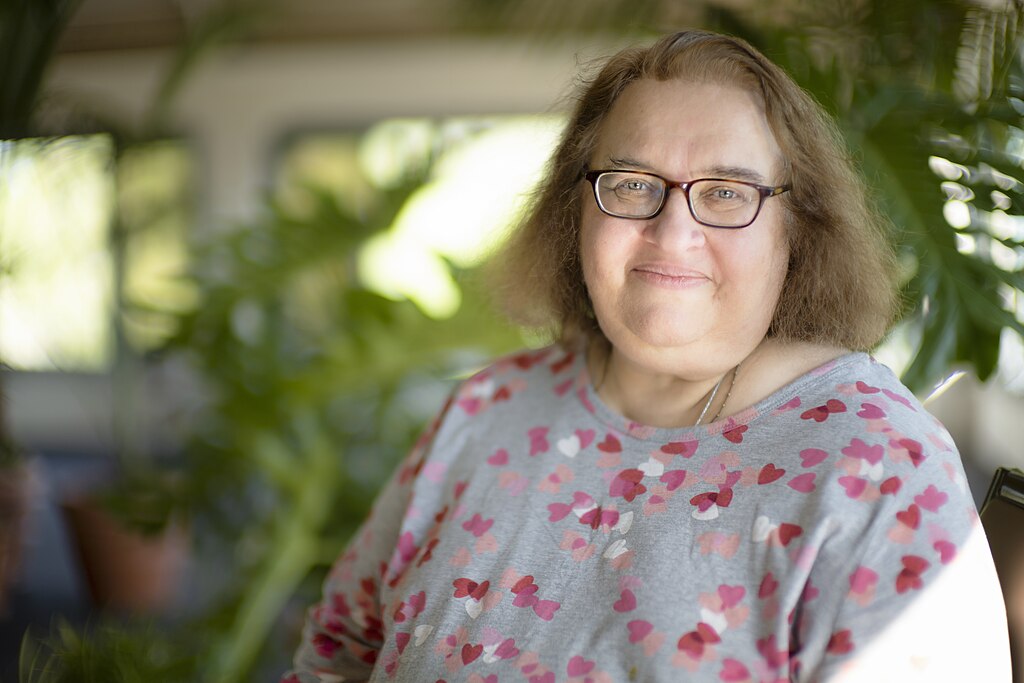
Sharon Salzberg's assertion that "compassion is not a relationship between the healer and the wounded. It's a relationship between equals" invites us to reconsider the dynamics of compassion in our lives. This perspective shifts the focus from a hierarchical view of compassion, where one party is seen as superior and the other as inferior, to a more egalitarian understanding. By recognizing that both the healer and the wounded share a fundamental humanity, we open ourselves to a more profound and authentic connection.
This quote matters profoundly in a world often marked by division and inequality. It challenges us to cultivate compassion not as a mere act of charity or pity, but as a mutual exchange of understanding and empathy. In doing so, we not only honor the dignity of those who suffer but also acknowledge our own vulnerabilities and interconnectedness. This realization can transform our relationships and foster a deeper sense of community and belonging.
The image / the metaphor
The imagery in Salzberg's quote evokes a powerful sense of connection and shared experience. The terms "healer" and "wounded" suggest a dichotomy that is often present in our understanding of compassion. However, by framing compassion as a relationship between equals, Salzberg emphasizes the importance of mutual recognition. The act of healing becomes a shared journey rather than a one-sided endeavor, where both parties engage in a dance of understanding and support.
In the speaker's tradition
Sharon Salzberg's teachings are deeply rooted in the Buddhist tradition, which emphasizes the interconnectedness of all beings. Concepts such as *karuna* (compassion) and *sunyata* (emptiness) resonate with her assertion that compassion is a relationship between equals. In Buddhism, compassion is not merely an emotion but a way of being that recognizes the shared suffering of all sentient beings. This understanding encourages us to cultivate compassion as a fundamental aspect of our practice, allowing us to transcend the barriers of self and other.
In her book, *A Heart as Wide as the World*, Salzberg draws upon the teachings of the Buddha, who spoke of the importance of cultivating compassion for oneself and others. The *Metta Sutta*, a key text in the Buddhist tradition, encourages practitioners to extend loving-kindness to all beings, regardless of their circumstances. This practice reinforces the idea that compassion is not about hierarchy but about recognizing our shared humanity and the inherent worth of every individual.
Living the teaching
Consider a modern scenario where this teaching can be applied: a friend confides in you about their struggles with mental health. In this moment, the traditional healer-wounded dynamic might suggest that you, as the listener, hold a position of strength while your friend is in a place of vulnerability. However, if you approach the situation with the understanding that compassion is a relationship between equals, you may find that your friend’s courage to share their pain allows you to reflect on your own struggles. This mutual exchange can create a space for healing that honors both of your experiences.
Another application of this teaching can be found in our daily interactions, particularly during conflicts. When faced with a disagreement, recognizing the humanity in the other person can transform the encounter. Instead of viewing the other as an adversary, you can approach the situation with empathy, acknowledging their feelings and perspectives. This shift fosters a sense of equality and understanding, allowing for a more constructive dialogue that honors both parties' experiences and emotions.
A reflection
As we contemplate Salzberg's profound insight, we might ask ourselves: How can I cultivate a sense of equality in my relationships, particularly when I am in a position to offer support? This question invites us to reflect on our own vulnerabilities and the ways in which we can engage with others from a place of shared humanity. By embracing this perspective, we can deepen our connections and foster a more compassionate world.




Join the BrightStar Community
Stay connected with daily inspiration, event announcements, and community wisdom