Returning to the Heart of Being
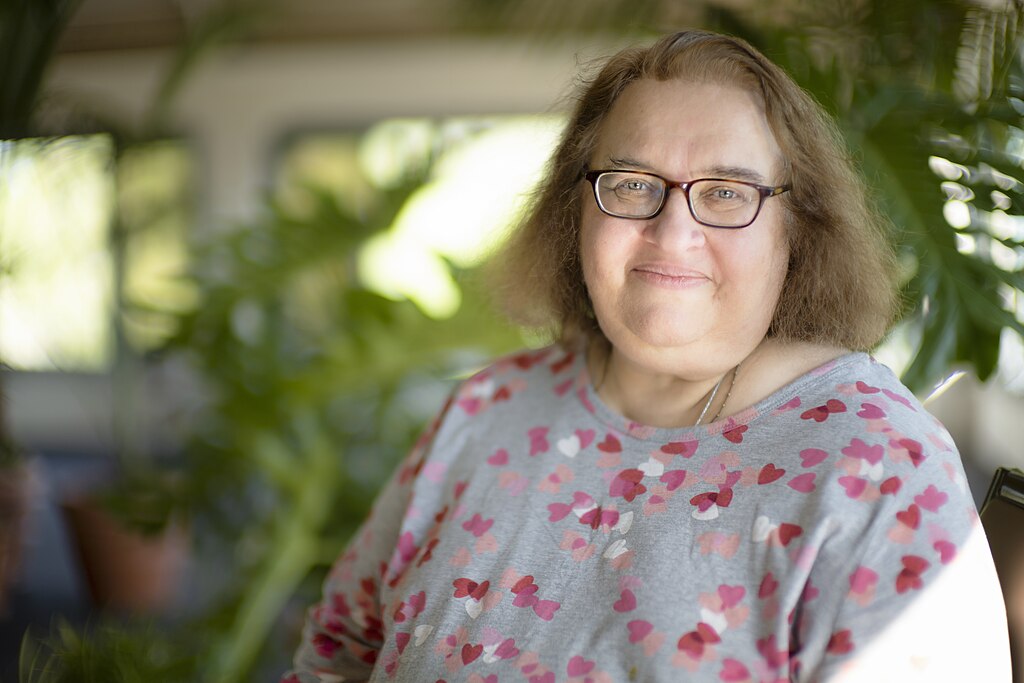
Sharon Salzberg's quote, "To meditate is to come home to the body, the breath, the heart," invites us to consider meditation not merely as a practice but as a profound return to our essential selves. In a world often marked by distraction and disconnection, this statement underscores the importance of grounding ourselves in our physical presence and emotional reality. It suggests that through meditation, we can reclaim a sense of belonging within ourselves, fostering a deeper connection to our lived experience.
This notion of "coming home" resonates deeply in a society that frequently encourages us to look outward for validation and fulfillment. By emphasizing the body, breath, and heart, Salzberg points to the fundamental aspects of our being that are often overlooked. The act of meditating becomes a sanctuary, a refuge where we can cultivate awareness and acceptance of our inner landscape, allowing us to navigate life with greater clarity and compassion.
The image / the metaphor
The imagery in Salzberg's quote evokes a sense of warmth and safety, akin to returning to a cherished place after a long journey. The words "home," "body," "breath," and "heart" are laden with meaning, each representing a vital aspect of our existence. The body serves as our physical vessel, the breath as the bridge to the present moment, and the heart as the seat of our emotions and intuition. Together, they create a holistic picture of what it means to be fully alive and aware.
In the speaker's tradition
Sharon Salzberg's teachings are rooted in the Buddhist tradition, which emphasizes mindfulness and the cultivation of awareness as pathways to liberation. Concepts such as dharma, the natural law that governs the universe, and prajna, the wisdom that arises from direct experience, are integral to understanding her perspective. In this context, meditation serves as a practice of kenosis, or self-emptying, allowing us to release attachments and preconceived notions that hinder our ability to connect with our true selves.
In her book "Real Happiness," Salzberg draws upon the teachings of the Buddha, who encouraged practitioners to cultivate a deep awareness of the body and mind. This aligns with the notion of sunyata, or emptiness, which invites us to recognize the impermanent nature of our thoughts and feelings. By grounding ourselves in the present moment through meditation, we can access a profound sense of peace and clarity that reflects the essence of our being.
Living the teaching
Consider a modern scenario where the teaching of coming home to the body, breath, and heart becomes particularly relevant: a busy professional navigating the demands of work and personal life. Amidst the constant barrage of emails, meetings, and deadlines, it is easy to become disconnected from oneself. In such moments, taking a few minutes to pause, breathe deeply, and reconnect with the body can serve as a powerful reminder of one's inherent worth and presence, allowing for a more centered approach to challenges.
Another application of this teaching can be found in the realm of relationships. During a difficult conversation with a loved one, emotions may run high, leading to misunderstandings and conflict. By grounding oneself in the breath and heart, one can cultivate a sense of compassion and presence that fosters deeper connection and understanding. This practice of embodiment allows for a more mindful engagement with others, transforming potentially volatile interactions into opportunities for growth and healing.
A reflection
As we contemplate Salzberg's invitation to meditate as a means of coming home, we might ask ourselves: What does it mean for me to return to my body, breath, and heart in moments of stress or uncertainty? This question invites us to explore our own relationship with mindfulness and embodiment, encouraging a deeper inquiry into how we can cultivate a sense of home within ourselves amidst the complexities of life.

Join the BrightStar Community
Stay connected with daily inspiration, event announcements, and community wisdom