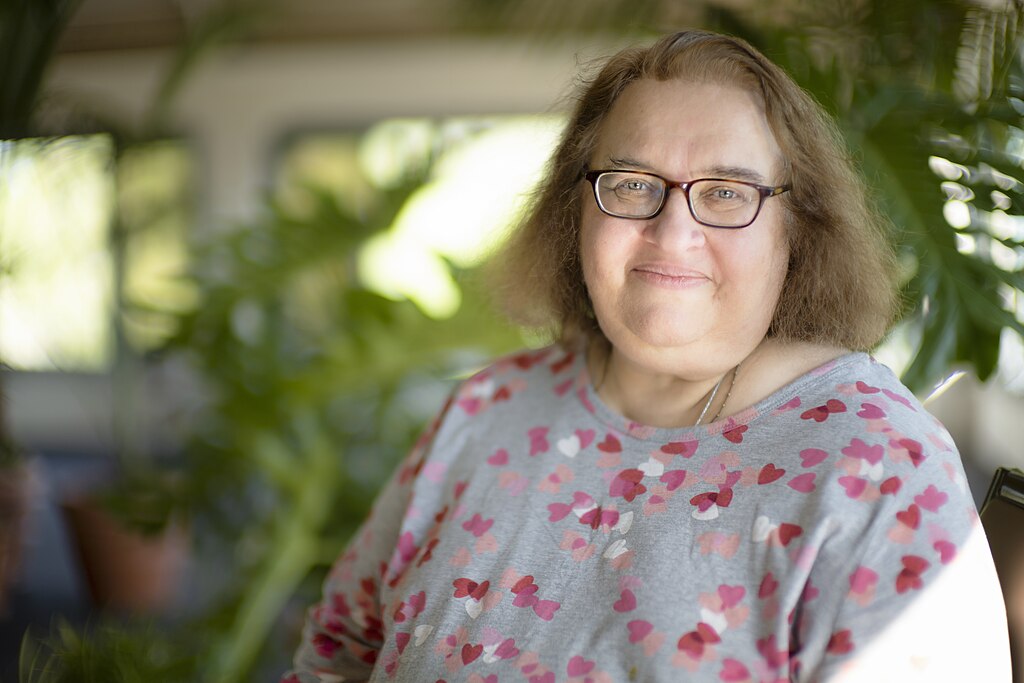
Seeing Beauty in Wounds: The Heart of Metta
Sharon Salzberg's poignant assertion that "to see beings as wholly beautiful, even in their wounds, is the heart of metta" invites us to explore the profound nature of loving-kindness. This perspective challenges us to look beyond superficial appearances and societal judgments, urging us to recognize the inherent beauty within every individual, even amidst their suffering. In a world often quick to categorize and dismiss, this teaching serves as a vital reminder of our shared humanity and the transformative power of compassion.
At its core, this quote encapsulates a radical shift in perception—one that encourages us to embrace the totality of existence, including the pain and imperfections that accompany life. By cultivating a vision that sees beauty in wounds, we not only honor the struggles of others but also foster a deeper connection to our own vulnerabilities. This practice of metta, or loving-kindness, becomes a pathway to healing, both for ourselves and for those around us, as we learn to hold space for the complexities of the human experience.
The image / the metaphor
The imagery in Salzberg's quote evokes a sense of wholeness that transcends the surface. The use of "wholly beautiful" suggests an all-encompassing view that embraces the entirety of a being's existence, including their scars and wounds. The verb "to see" implies an active engagement, a conscious choice to look beyond the superficial and to perceive the deeper essence of individuals. This act of seeing is not passive; it requires intention and an open heart, inviting us to witness beauty in its most authentic form.
In the speaker's tradition
Sharon Salzberg's teachings are deeply rooted in the Buddhist tradition, where the concept of metta is central to the practice of loving-kindness. Metta is not merely an emotion but a profound state of being that encompasses unconditional love and compassion for all sentient beings. This aligns with the Buddhist principles of interconnectedness and the understanding that all beings share in the experience of suffering and joy. The practice of metta invites us to cultivate a heart that is open and expansive, allowing us to see the beauty in ourselves and others, regardless of their circumstances.
In the context of Buddhist texts, the Metta Sutta serves as a foundational reference for this teaching. It outlines the qualities of a mind imbued with loving-kindness, emphasizing the importance of seeing all beings with a heart full of compassion. This text encourages practitioners to extend their loving-kindness to all, including those who may be difficult to love, thereby reinforcing the idea that beauty exists even in the most challenging of relationships. The practice of metta becomes a transformative journey, guiding us toward a deeper understanding of ourselves and our connection to the world.
Living the teaching
Consider a modern scenario where this teaching can be applied: a friend confides in you about their struggles with mental health. In that moment, it can be easy to focus on their pain and feel helpless. However, by embracing the essence of metta, you can choose to see their beauty, resilience, and the courage it takes to share their vulnerabilities. This shift in perception not only allows you to support your friend more effectively but also deepens your connection, fostering an environment where healing can occur.
Another application of this teaching might arise in a challenging relationship, perhaps with a family member who has hurt you in the past. Instead of holding onto resentment, you can practice seeing them as a whole being, recognizing their own wounds and struggles. By doing so, you cultivate compassion and understanding, which can transform the dynamic of your relationship. This practice of metta encourages us to approach difficult moments with an open heart, allowing us to navigate conflict with grace and empathy.
A reflection
As we contemplate Salzberg's profound words, we are invited to reflect on our own perceptions of beauty and suffering. How often do we allow ourselves to see the beauty in our own wounds or in the wounds of others? This contemplation can lead us to a deeper understanding of metta and its transformative power. In what ways can we cultivate a more compassionate view of ourselves and those around us, recognizing that our shared imperfections are what make us beautifully human?



Join the BrightStar Community
Stay connected with daily inspiration, event announcements, and community wisdom