Becoming Beyond the Past
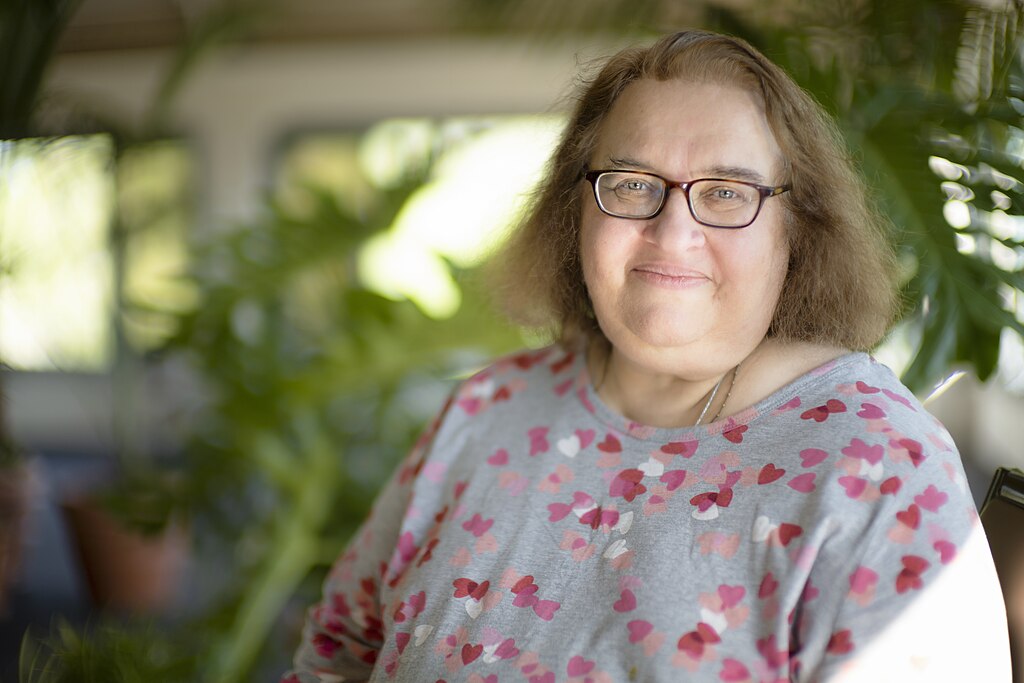
In her profound assertion, "You are not what happened to you. You are who you choose to become," Sharon Salzberg invites us to reflect on the nature of identity and the power of choice. This statement serves as a reminder that our past experiences, while influential, do not define our essence or our future. It emphasizes the importance of agency in shaping our lives, suggesting that we hold the reins of our identity and destiny. In a world often preoccupied with labels and histories, this perspective is both liberating and empowering.
Salzberg's words resonate deeply in a society where individuals frequently find themselves trapped by their narratives. The weight of trauma, loss, or failure can create a sense of being defined by these experiences, leading to a static identity. However, the invitation to choose who we become opens a pathway to transformation and growth. It encourages us to engage actively with our lives, to cultivate resilience, and to embrace the fluidity of our identities as we navigate the complexities of existence.
The image / the metaphor
At the heart of Salzberg's quote lies a powerful metaphor that contrasts the static nature of past events with the dynamic potential of personal choice. The phrase "what happened to you" evokes a sense of being a passive recipient of life's circumstances, suggesting that one is merely a product of external forces. In contrast, "who you choose to become" introduces a sense of agency and active participation in one's own life narrative. The verbs chosen here—"happened" versus "choose"—highlight a fundamental distinction between being acted upon and taking action.
Diving deeper into this metaphor, we can see that it speaks to the essence of human experience. Life is a series of events, some joyous and others painful, but these events do not encapsulate our entire being. Instead, they serve as the raw materials from which we can sculpt our identities. This process of becoming is akin to the Buddhist concept of "anatta," or non-self, which teaches that our identities are not fixed but are instead fluid and ever-evolving. Just as a sculptor shapes clay, we have the ability to mold our identities through conscious choices and intentions.
In the speaker's tradition
Sharon Salzberg's insights are deeply rooted in the Buddhist tradition, which emphasizes the impermanence of all things, including our identities. The concept of "dharma" in Buddhism refers to the teachings and laws that govern the universe, guiding individuals toward enlightenment. Within this framework, the notion of choice becomes a vital aspect of one's spiritual journey. By recognizing that we are not bound by our past, we can align ourselves with our true nature and the path of awakening.
Moreover, Salzberg's teaching resonates with the idea of "prajna," or wisdom, which encourages us to see beyond the illusions of self and to understand the interconnectedness of all beings. In her book "Real Happiness," she emphasizes mindfulness as a practice that allows us to observe our thoughts and feelings without attachment. This practice enables us to discern the difference between our transient experiences and our deeper, authentic selves, thus empowering us to make choices that reflect our true nature rather than our past traumas.
Living the teaching
Consider a modern scenario where this teaching can be applied: a person who has faced significant setbacks in their career may feel defined by their failures. They might believe that their past mistakes dictate their future potential, leading to a sense of hopelessness. However, by embracing Salzberg's perspective, this individual can begin to see their past not as a chain binding them but as a series of lessons that inform their growth. They can choose to redefine their narrative, seeking new opportunities and learning from their experiences, ultimately transforming their identity from one of failure to one of resilience and possibility.
This teaching also finds relevance in interpersonal relationships. Imagine a situation where a friend has been hurt in the past, leading them to build walls around their heart. They may feel that their past experiences dictate their ability to trust and connect with others. However, by recognizing that they are not defined by their past wounds, they can choose to open themselves up to vulnerability and intimacy. This conscious choice to engage with others authentically can lead to deeper connections and a more fulfilling relational life, illustrating the transformative power of choice in shaping one's identity.
A reflection
As we contemplate Salzberg's profound words, we are invited to reflect on our own lives: In what ways have we allowed our past experiences to define us? What choices can we make today that will lead us toward the person we aspire to become? This inquiry encourages us to engage with our identities actively, recognizing that while our past may inform us, it does not have to confine us. By embracing the power of choice, we can embark on a journey of becoming that is rich with possibility and authenticity.

Join the BrightStar Community
Stay connected with daily inspiration, event announcements, and community wisdom